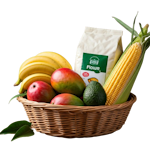
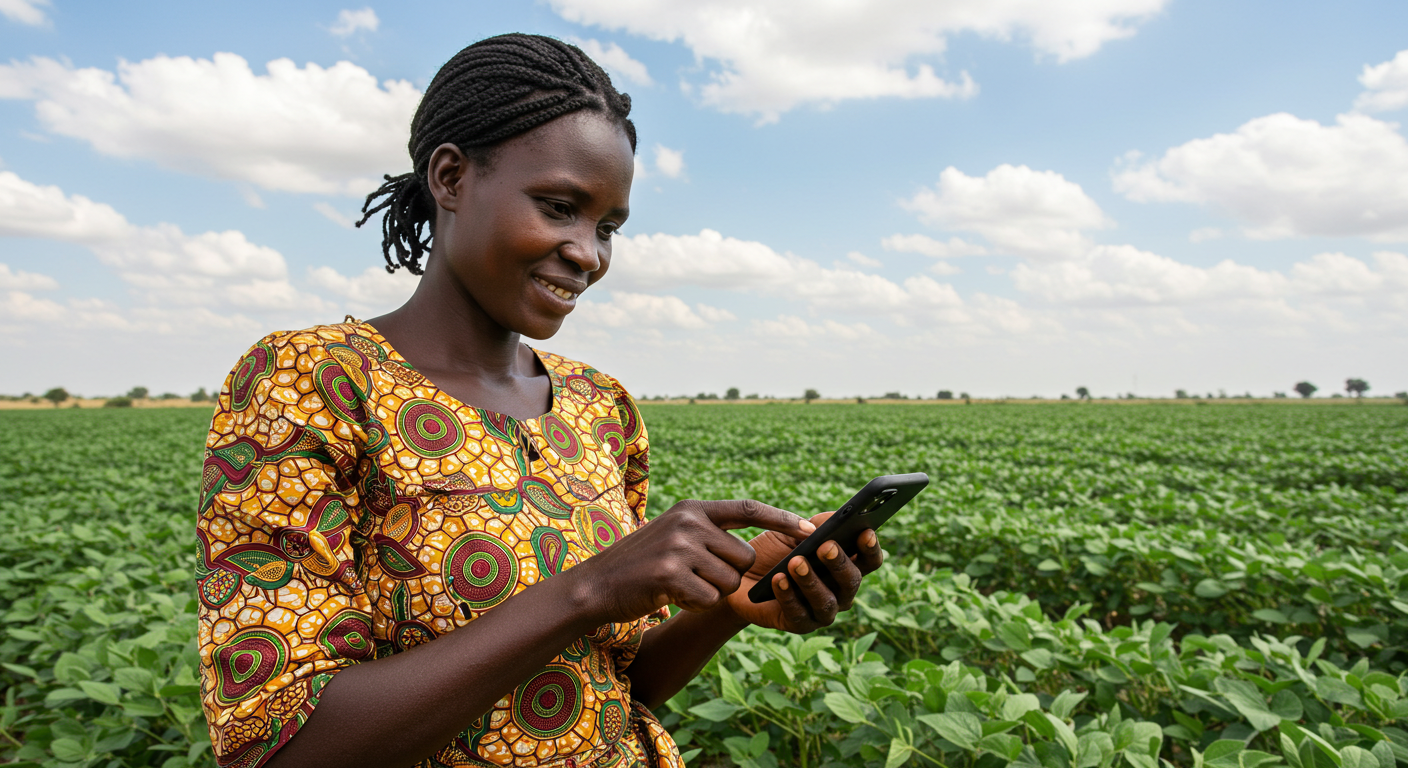
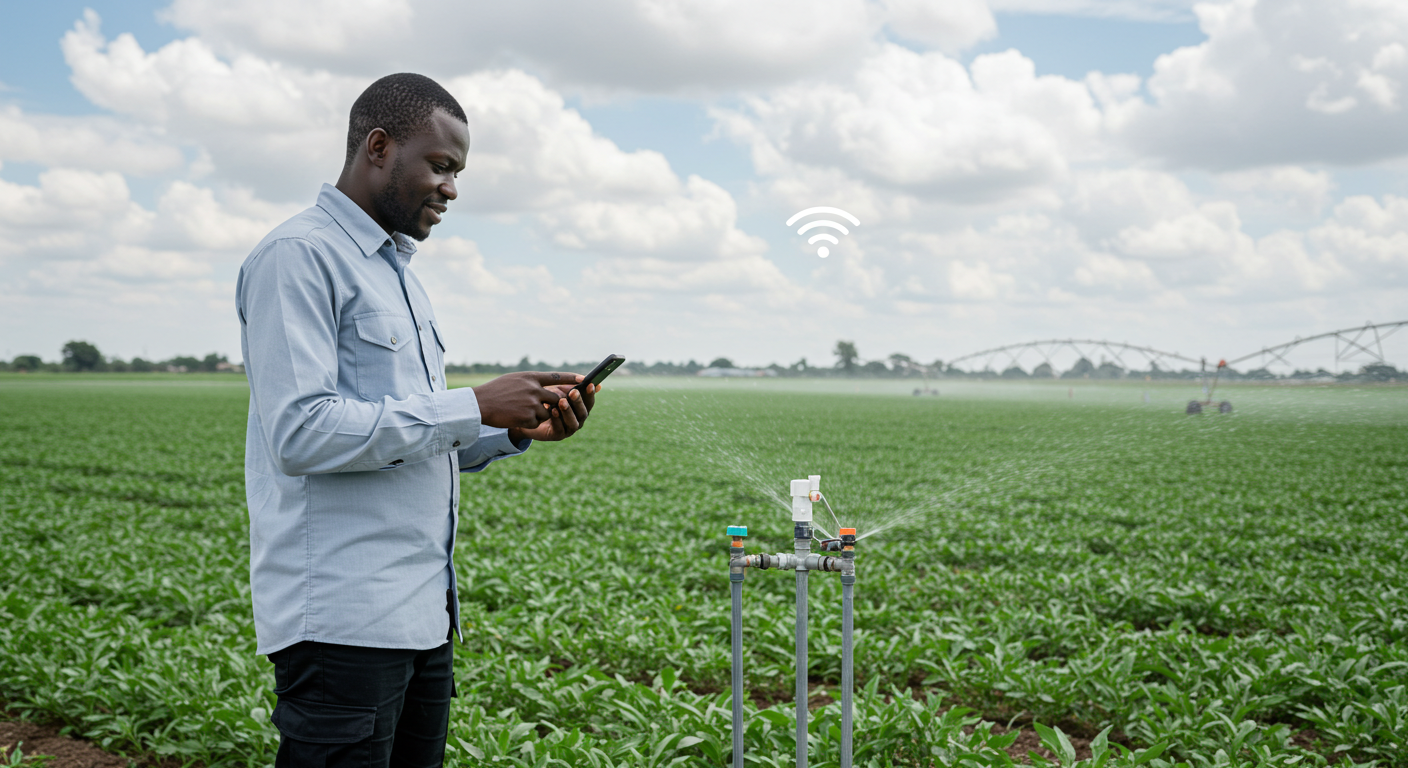
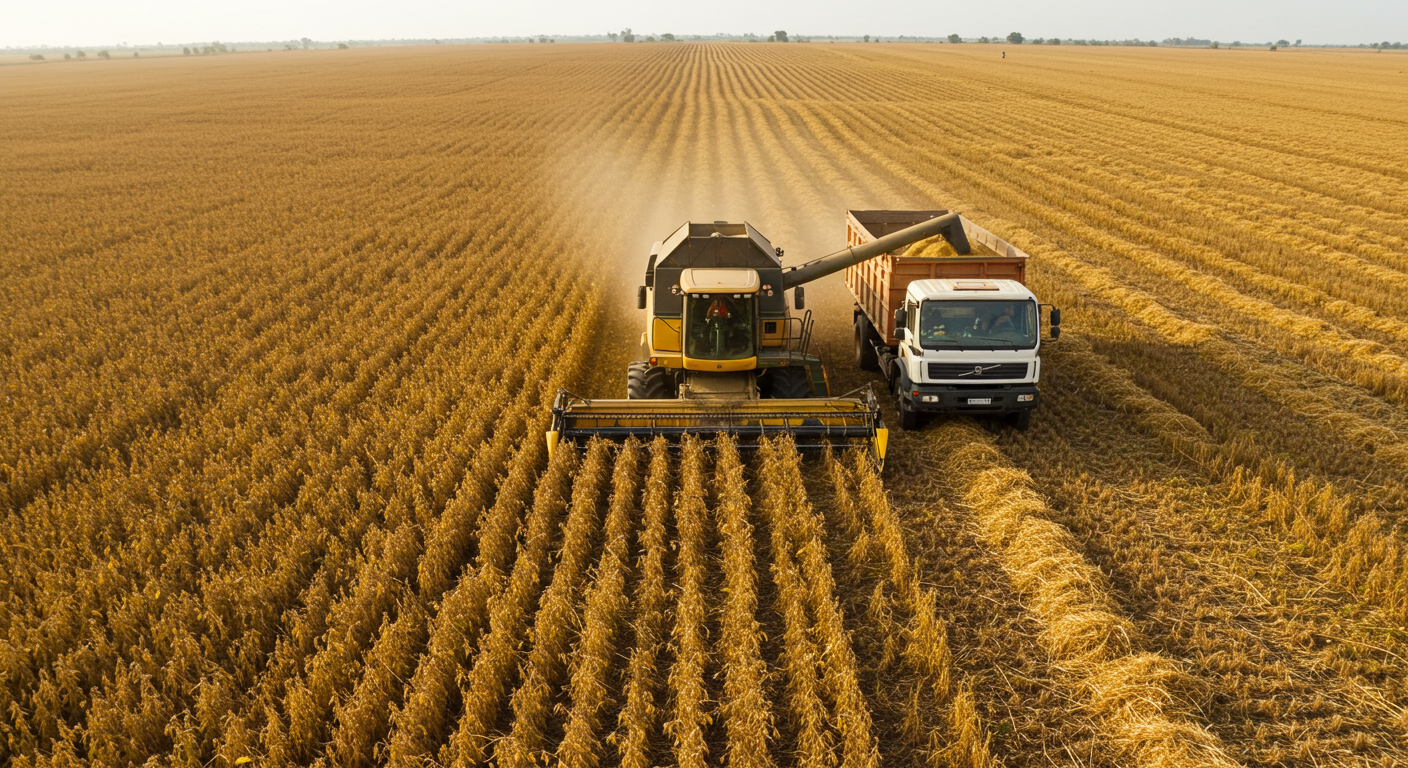
Sub-Saharan Africa is an agrarian region where farming employs roughly 70% of the population, contributing about 30% of GDP. Yet output per hectare and per worker remain very low. For example, despite abundant land, cereal yields average only ~1–2 t/ha – about 60% below the world average. Historically, other regions closed such yield gaps through technology: UK cereal yields were 1–2 t/ha two centuries ago and have since quadrupled with better seeds, fertilizer and mechanization. In Africa the same potential exists. Our consulting services helps companies tap this opportunity by introducing modern inputs (improved seeds, irrigation, fertilizers) and best practices, tailored to local crops and conditions. By raising productivity sustainably, agribusinesses can lift incomes and capture unmet demand.
Foreign Investment & Agrifood Transformation
The African Development Bank estimates that Africa’s food and agriculture market can grow from about $280 billion today to $1 trillion by 2030. This reflects booming population and rising demand for processed foods. In practice, global investors are moving into African agribusiness: for example, in 2016–20 the bulk of new food‐sector investments came from the UAE, Ukraine and the USA, targeting crops like grains, oilseeds, sugar and snacks. Moreover, agribusiness spending has outsized impact: a World Bank analysis found that “every $1 million invested in agribusiness generates more jobs than equivalent spending in manufacturing or services”. These trends – together with trade initiatives like AfCFTA that will expand intra-continental markets – make Africa one of the world’s highest-potential regions for food-sector investment.
Our consultants services help global food companies and investors navigate this landscape. We perform market entry and due-diligence analyses, identify high-ROI segments (from staple processing to value-added food factories), and structure joint ventures or PPPs with local partners.
Key advantages include:
- Market Growth: Africa’s agrifood market is projected to quadruple by 2030, far outpacing investment levels today.
- Social Impact: Agri-investment yields strong returns – e.g. boosting incomes 2–4× more effectively than the same capital in other sectors.
- Trade Access: AfCFTA and regional hubs open wider markets (USDA notes AfCFTA reduces trade barriers and harmonizes regulations, inviting new FDI across borders).
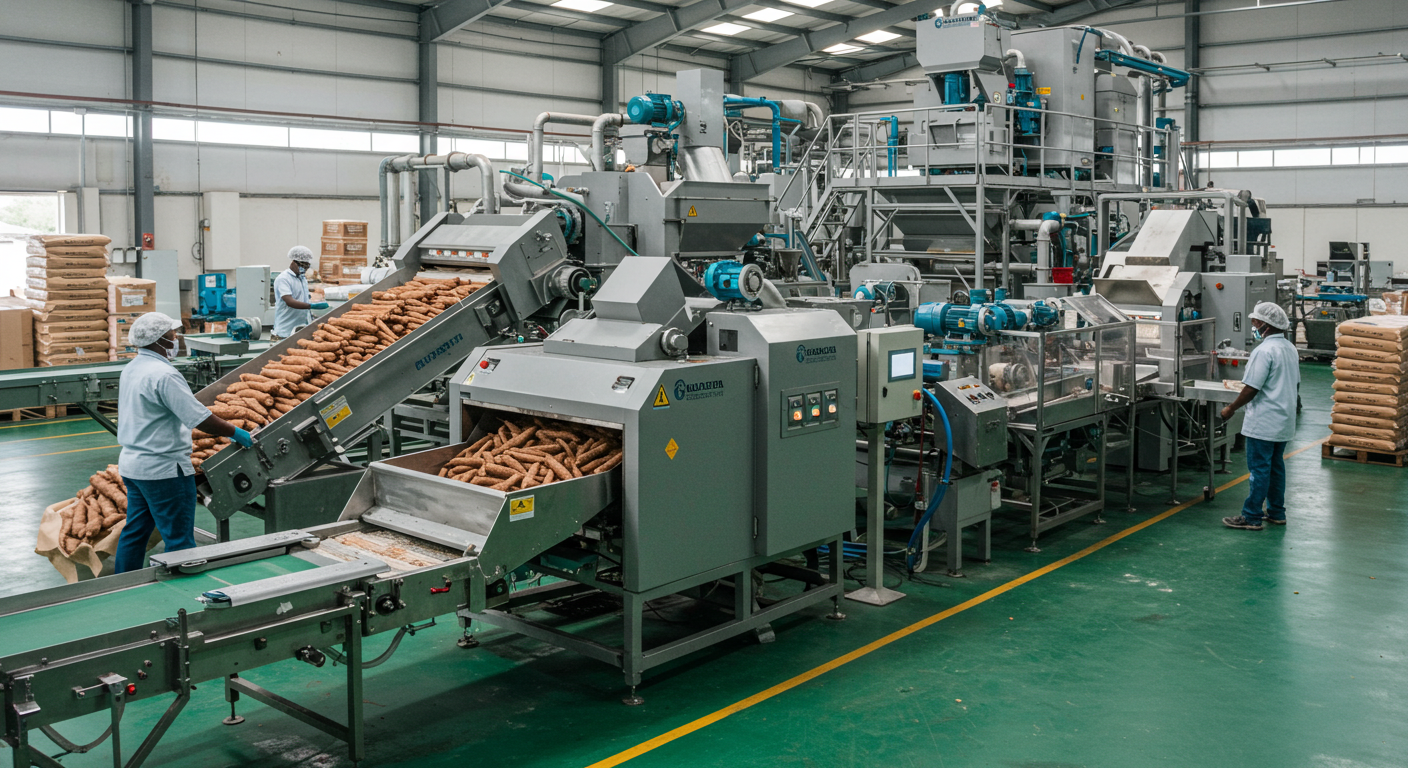
Beyond opening access, we focus on agrifood transformation: shifting from raw commodity exports to local food manufacturing. Building processing plants (for milling, canning, juices, oils etc.) retains value and cuts Africa’s ~$70 billion annual food import bill. For example, investments in local cashew or grain mills keep earnings in-country. We advise on facility siting (e.g. industrial parks in Rwanda or Nigeria), equipment import/localization, and compliance with international standards. In one engagement, our team conducted market due diligence for a wheat‐flour mill in Mozambique, analyzing raw material flows and export markets – enabling a major investor to commit capital. In every case we tailor the strategy to local policy and infrastructure. Altai Consulting reports that similar value-chain analyses have covered over 40 African commodities (wheat, maize, dairy, coffee, cocoa, etc.), each time designing local sourcing plans that boost farmers’ livelihoods.
Agribusiness clients benefit from our deep local networks, understanding of subsidies/incentives, and experience handling regulatory and logistical hurdles. We enable faster establishment of agrifood ventures (mills, bakeries, processing lines) that are profitable from day one.
Secure Ingredient Sourcing & Value-Chain Development
Global food manufacturers sourcing from Africa must ensure long-term access to quality ingredients with full traceability. Our service designs end-to-end supply chains: from seed to shelf, we connect farmers to factories with reliable contracts, standards and transparency. We implement responsible sourcing strategies: mapping farm production zones, organizing cooperatives, and digitizing procurement so that every batch of raw materials can be tracked. As one consultancy notes, such strategies “improve the traceability and quality” of agricultural produce while also delivering social and environmental benefits.
In practice this involves:
- Farmer Partnerships: Establishing direct contracts and training programs for producers of key inputs (grains, tubers, coffee, etc.). By engaging smallholders, companies secure stable supply and can help raise on-farm quality.
- Quality Controls: Introducing lab testing, certification and compliance (e.g. organic, Fairtrade, ISO) at aggregation points. These ensure the end products meet export-grade standards for safety and purity.
- Traceability Technologies: Deploying tools like mobile platforms and blockchains so that buyers can verify origin and farming practices. For example, a blockchain pilot in Ghana’s cocoa sector gave European buyers real-time data on the farm origin, certification and quality of beans – dramatically reducing disputes and increasing trust. Similarly, digital marketplaces (like Kenya’s Twiga Foods) aggregate smallholder produce and link it to retailers, cutting intermediaries and waste.
- Cold Chain & Storage: Integrating post-harvest infrastructure (solar cold rooms, warehouses, transport) to slash losses. Up to 30–40% of Africa’s food can spoil before reaching markets, so we assess investments in silos, processing hubs and refrigeration to capture this lost value.
By building these secure value chains, our clients can ensure year-round supply of safe, traceable ingredients (from cocoa and coffee to spices and grains) that comply with global buyers’ requirements. We used digital technology and AI tools to monitor the whole value chain.
Agritech & Foodtech Transfer through Partnerships
Closing Africa’s productivity gap requires state-of-the-art technology and know-how. Our consultancy bridges that gap by arranging technology transfer collaborations between global innovators and African entities. This can include licensing agritech (e.g. high-yield seed varieties, irrigation systems, mechanized planters) or foodtech (e.g. pasteurization lines, packaging machinery, nutrition fortification) and adapting them for local conditions. We work with research institutes, donors and private firms to tailor solutions. For example, Kenya’s KALRO agricultural research service has long licensed improved crop varieties to local companies under royalty agreements – a model we leverage to deploy resilient seeds into new markets.
Key components of our tech-transfer service:
- Innovation Scouting: Continuously monitoring global agritech/foodtech trends (from biotech and digital tools to processing equipment) and evaluating which can succeed in Africa’s markets.
- Deal Structuring: Negotiating fair licensing and partnership agreements. We ensure clear IP terms and set up pilot programs; for example, we might arrange for a European greenhouse manufacturer to license its designs to an African partner, enabling local assembly and service.
- Localization & Training: Adapting foreign technology to local crops and languages, and training local farmers and workers. In Rwanda, agriculture leaders have highlighted digital advisory services and modern practices as top priorities to boost productivity, so we focus on bridging those exact gaps.
Through these efforts, our clients fast-track the introduction of cutting-edge tools in African fields and factories. We’ve seen how PPP-driven tech projects can significantly improve yields and incomes – and we strive to replicate that success for each partner.
In summary, global agribusinesses looking to enter or expand in Africa gain a full suite of services: from investment strategy to supply-chain engineering to tech deployment. We ground our work in the latest insights: analysts warn that without productivity gains Africa must keep expanding farmland at great environmental cost, while experts urge increased investment and cross-sector collaboration for sustainable growth. By aligning capital with smart sourcing and tailored technology, we help you capture the huge untapped potential of African agriculture – driving food security, jobs and profits simultaneously.
Contact us to learn how our expertise can turn these opportunities into reality.
AvecAfrica
Mr. Luciano Reveron Gómez
Email: reveron@adalidda.com | WhatsApp: +34 613 130 576
Website: https://AvecAfrica.adalidda.com
Mr. Kosona Chriv
📧 sales@adalidda.com 📱 WhatsApp : +855 10 333 220
Our WhatsApp channel https://whatsapp.com/channel/0029Va9I6d0Dp2Q2rJZ8Kk0x
I hope you enjoyed reading this post and learned something new and useful from it. If you did, please share it with your friends and colleagues who might be interested in Agriculture and Agribusiness.
Mr. Kosona Chriv
Founder of LinkedIn Group « Agriculture, Livestock, Aquaculture, Agrifood, AgriTech and FoodTech » https://www.linkedin.com/groups/6789045/
Co-Founder, Chief Operating Officer and Chief Sales and Marketing Officer
Deko Integrated & Agro Processing Ltd
IDUBOR HOUSE, No. 52 Mission Road (by Navis St.)
Benin City, Edo State, Nigeria | RC 1360057
Follow-me on
✔ WhatsApp: +2349040848867 (Nigeria) +85510333220 (Cambodia)
✔ X https://x.com/kosona
✔ BlueSky https://bsky.app/profile/kosona.bsky.social
✔ Instagram https://www.instagram.com/kosonachriv
✔ Threads https://www.threads.com/@kosonachriv
✔ LinkedIn https://www.linkedin.com/in/kosona
✔ Facebook https://www.facebook.com/kosona.chriv
✔ Tiktok https://www.tiktok.com/@kosonachriv
WhatsApp Channel: https://whatsapp.com/channel/0029Va9I6d0Dp2Q2rJZ8Kk0x