Colombia is fast becoming a pragmatic, high-quality origin for refined edible soybean oil. With rapidly expanding soybean acreage in the Orinoquía (Eastern Plains), modern crushing and refining capacity, and strong regulatory oversight, Colombian suppliers can offer RBD (refined, bleached, deodorized) soybean oil that meets industrial needs while supporting buyers’ sustainability and traceability goals.
Industry snapshot
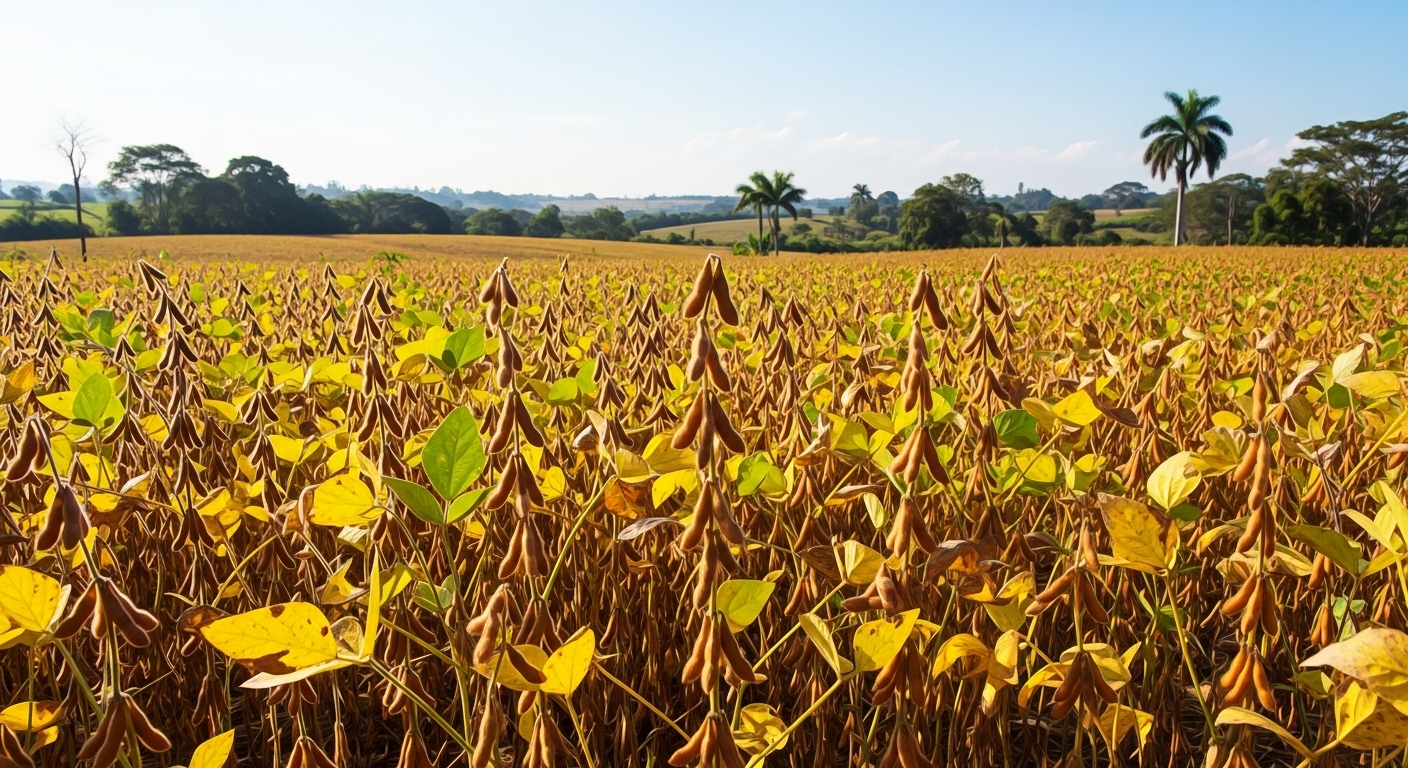
While palm, sunflower and canola dominate Colombia’s edible-oil landscape, soybean oil has grown into a meaningful secondary product. Colombia produced roughly 198,000 tonnes of soybeans in 2023, and recent refined soybean-oil output runs in the order of 150–180 thousand tonnes per year. Production is supplied by a mix of domestically grown beans and imported soybeans to fully utilize modern crushers. Processing is focused on producing USP/food-grade RBD oil suitable for frying, baking and downstream food-ingredient uses.
Production & supply structure
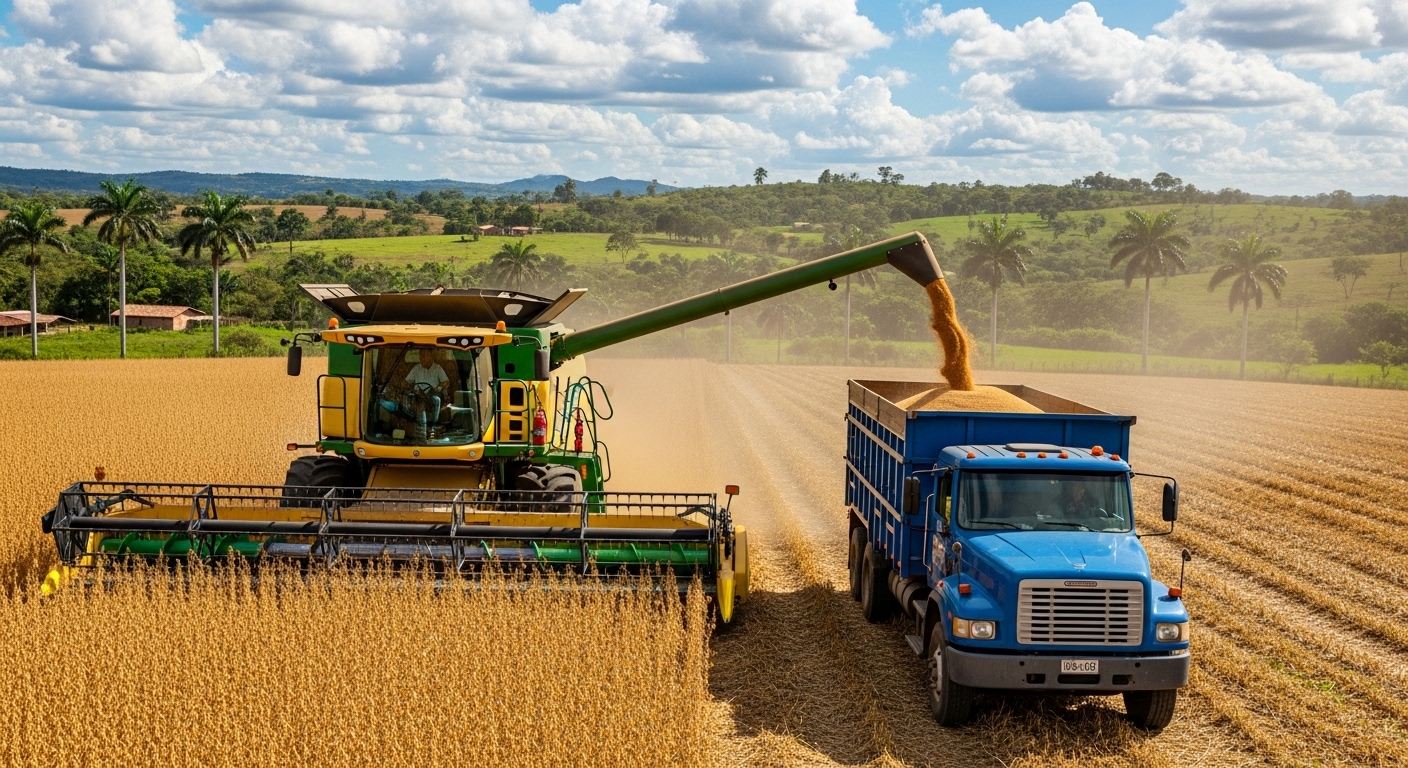
Colombian plants are largely modern solvent-extraction crushers with in-house refining. Typical operations include cleaning, dehulling, flaking, hexane extraction of crude oil, and full refinery stages (degumming → neutralizing → bleaching → deodorizing). A small number of medium-scale producers use expeller-pressing for niche or minimally refined oils, but most commercial supply is fully refined. Harvest seasonality across regions enables suppliers to design staggered deliveries and seasonal programs that complement Northern Hemisphere sourcing.
Export footprint and commercial format
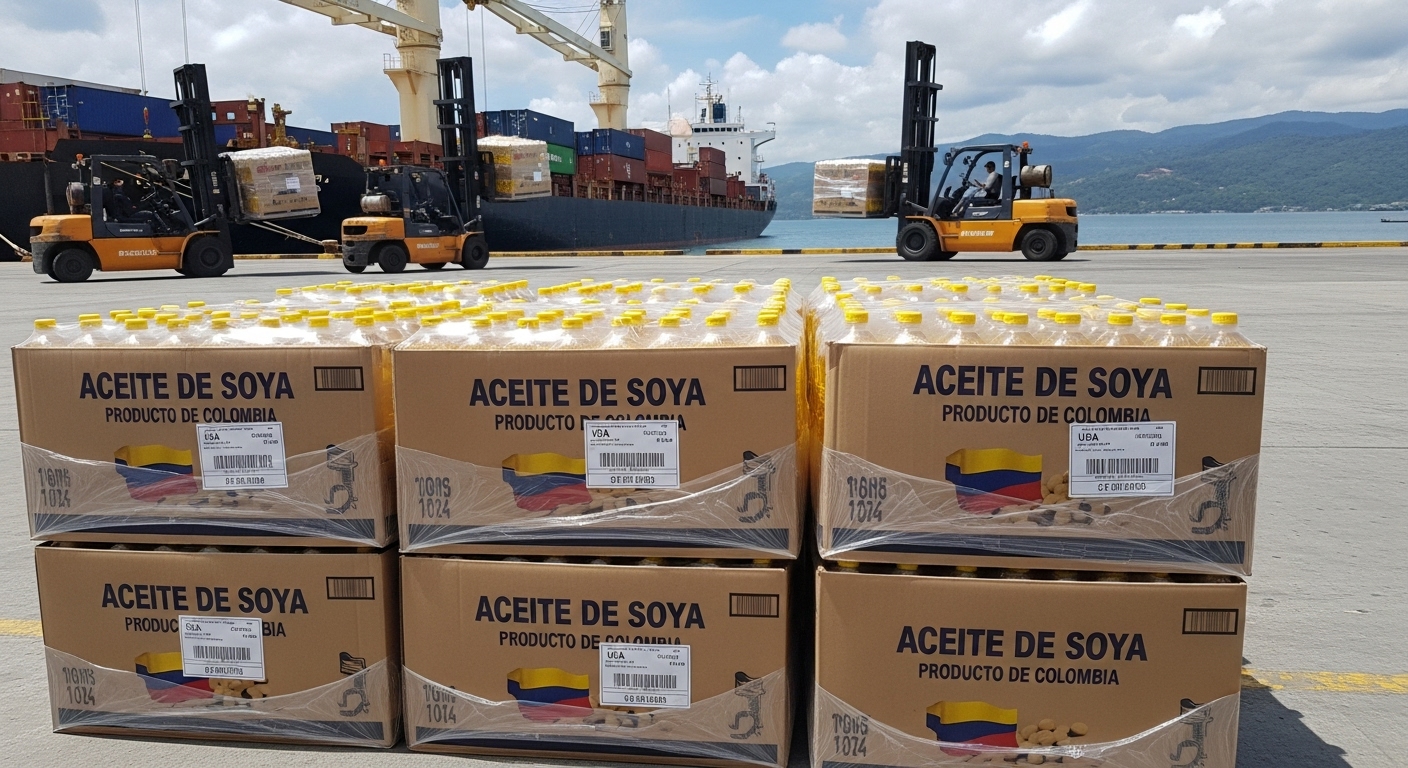
Colombia exports refined soybean oil in packaged and bulk forms to markets across the Americas and Asia. Exports are concentrated in refined, packaged oil suitable for immediate use by food manufacturers and foodservice customers. Shipments are commonly delivered in tankers, IBCs, drums or retail packs, and suppliers are experienced in managing commercial documentation and sanitary requirements for export markets.
Quality standards, certifications and traceability
Producers in Colombia operate under INVIMA (national food regulator) rules aligned with Codex Alimentarius. Major processors routinely implement HACCP and ISO management systems (for example ISO 22000 for food safety and ISO 9001 for quality management). Kosher and Halal certifications are available from suppliers that target specialized markets. Certificates of analysis (COA) are standard with shipments and typically include parameters such as free fatty acids (FFA), peroxide value, moisture, color and smoke point. Identity-preserved non-GMO lots and limited organic batches can be produced by arrangement, though these are niche offerings and require farmer contracting or dedicated sourcing.
Processing technology & reliability
Colombian crushers and refineries commonly use contemporary solvent-extraction and refinery technology, often with imported equipment and international engineering standards. This results in consistent extraction efficiency, reliable product specifications, and the ability to scale to industrial volumes. Processors are familiar with producing consistent RBD grades that meet food-industry tolerances for frying, bakery, margarine and blended formulations.
Sustainability and ESG credentials
Colombian soy production is increasingly tied to landscape-level sustainability programs. Much of the country’s soy comes from the Orinoquía region, where initiatives encourage deforestation control, climate-smart farming and responsible land use. Many producers participate in sustainability audits and carbon-footprint monitoring. For buyers with ESG commitments, Colombia can offer a lower-carbon footprint origin and traceability pathways that help demonstrate responsible sourcing.
Competitive advantages for international buyers
Quality and food-safety compliance: INVIMA supervision plus widespread HACCP/ISO adoption mean shipments meet demanding food-industry requirements.
Modern processing and consistent specs: Full refining capability delivers RBD soybean oil suitable across applications.
Sustainability story: Programs to limit deforestation and monitor emissions help buyers build ESG-aligned supply chains.
Flexible commercial formats: Tanker, IBC, drum and retail pack options plus private-label and blending services (including soy–palm blends) are available.
Seasonal supply flexibility: Staggered harvests across regions can smooth supply for manufacturers needing year-round continuity.
Custom lots on request: Identity-preserved non-GMO and limited organic lots can be arranged for buyers who require them.
Typical applications and specifications
Colombian RBD soybean oil is suited to frying oils, bakery and confectionery formulations, margarine, and blended edible-oil products. Suppliers can provide batch COAs and tailor specification limits for free fatty acids, peroxide values, and other parameters depending on buyer needs. Typical commercial requests (e.g., low FFA, neutral flavor, high smoke point) are routine and supported with laboratory testing and documentation.
How Colombian suppliers work with global buyers
Suppliers are experienced in commercial contracting (term contracts and seasonal programs), documentation (commercial invoice, sanitary certificates, COAs), logistics (containerized, drum, IBC and tanker loading) and custom packaging. They are prepared to support audits, provide traceability data on request, and coordinate certification requirements for target markets.
Conclusion & next steps
Colombian refined soybean oil represents a dependable, ESG-forward option for importers and food manufacturers who want modern refining quality from a tropical origin. It combines consistent RBD specifications, modern processing, traceability options and sustainability credentials that can be integrated into international supply chains.
Deko Integrated and Agro Processing Limited
3rd and 4th Floors, Idubor House
52 Mission Road
300002 Benin City
Edo State
Nigeria
Phone/WhatsApp: + 2349040848867 (Nigeria) +85510333220 (Cambodia)
Email: sales@dekoholding.com
Website: https://dekoholding.com
Social media
LinkedIn https://www.linkedin.com/company/83495920
YouTube https://www.youtube.com/@DekoGroup
Deko Integrated and Agro Processing Limited is an agricultural firm and exporter of agricultural commodities in Nigeria. We are part of Deko Group, a global network of companies that seeks to transform the agricultural and food sectors in Nigeria and the ECOWAS countries through disruptive technologies and innovations.
We are passionate about creating value for our customers, partners, and stakeholders, as well as making a positive impact on the local communities and the environment. We are committed to delivering excellence in everything we do, from growing high-quality crops to processing them into value-added products.