For many farmers and small processors in Asia, Africa, and Latin America, selling products is harder than growing them. Poor roads, lack of storage, expensive transport, low bargaining power, and strict buyer requirements often push producers into low prices and limited opportunities. But with the right steps, smallholders can improve their market access and incomes.
1. Work Together
Selling alone often means low prices. By joining or forming cooperatives, farmer groups, or associations, smallholders can pool harvests, reduce transport costs, and negotiate better deals with buyers. Working together also makes it easier to qualify for certifications like organic or fair trade.
Real experience: Kuapa Kokoo (Ghana) & Divine Chocolate:
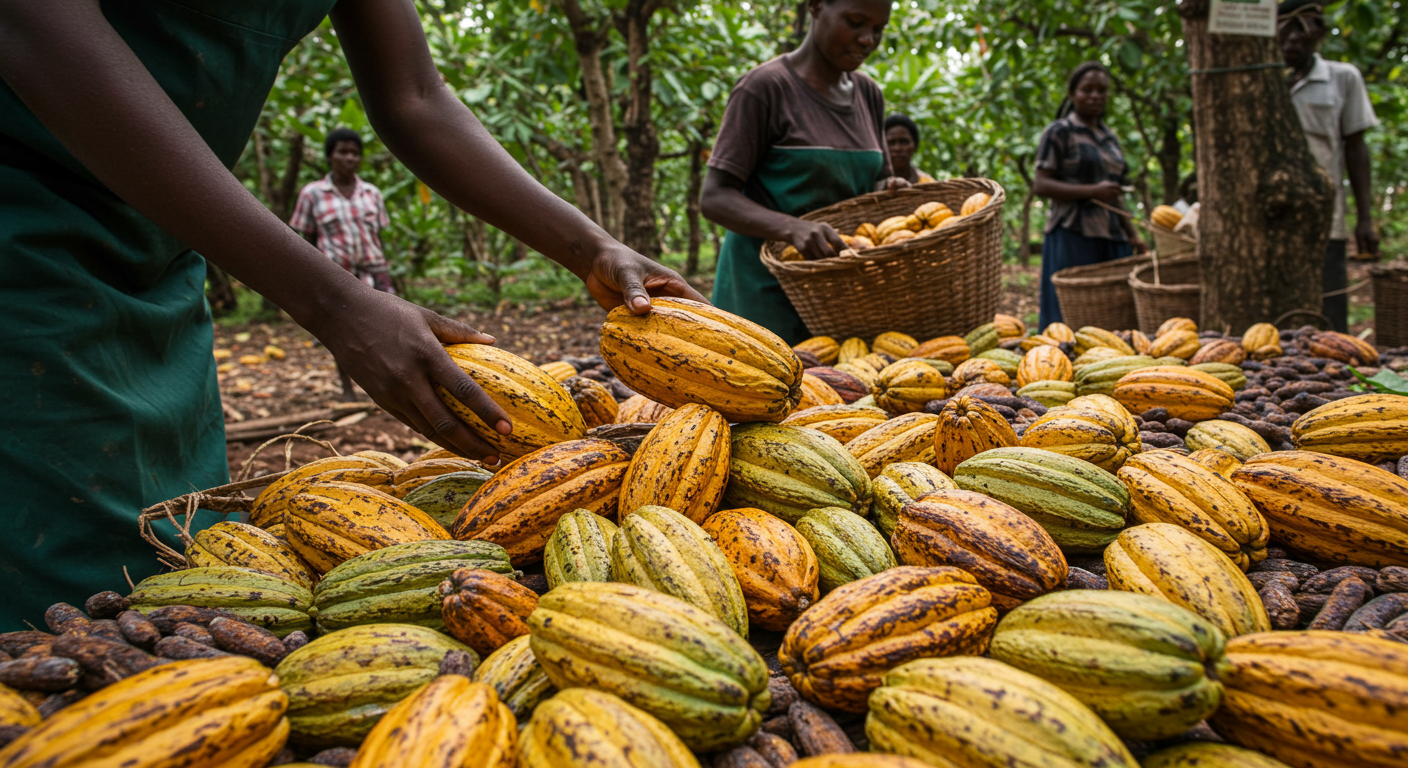
Kuapa Kokoo is a large cocoa cooperative in Ghana that organized farmers around Fairtrade principles and then partnered with Divine Chocolate to capture more value (farmers own a stake in the company). The cooperative invested in community services (water, education) and improved bargaining power and income for members through collective marketing. This cooperative model shows how producer ownership and shared marketing can increase farmers’ share of the value chain.
Lesson learned: Ownership + collective branding helps smallholders capture more value and finance community investments.
Practical actions farmers can replicate:
Form or join a legally registered cooperative or farmers’ association (start with a small group of trusted neighbours). Many cooperatives begin informally and then register once they have regular pooled sales. (See Kuapa Kokoo’s cooperative approach).
Use the cooperative to pool volumes for single buyers or shared transport (reduces cost per farmer and improves negotiation strength). (See Divine Chocolate approach).
2. Use Digital Tools
Mobile apps and online platforms now connect farmers directly with buyers. These tools show market prices, reduce dependency on middlemen, and open doors to new buyers in towns, cities, and even abroad. Farmers should adopt apps that provide price transparency, logistics support, and secure payments.
Real experience: e-Choupal (ITC, India) and Esoko (Ghana & region)
ITC’s e-Choupal created village kiosks and local “sanchalaks” to give farmers daily market prices and a direct route to sell to ITC, bypassing exploitative middlemen; it scaled to thousands of villages and demonstrated increased transparency and farmer choice. Esoko has delivered SMS price and weather messages to hundreds of thousands (and claims broad farmer reach across several countries), showing that low-bandwidth services can scale price transparency and agronomic advisory.
Lesson learned: Simple mobile/SMS or kiosk systems that provide prices and allow order posting can reduce information asymmetry and dependence on local intermediaries.
Practical actions farmers can replicate:
Subscribe to a local agricultural digital service (Esoko and similar services provide market prices and weather); many services have low-cost subscription options or are run through NGOs.
Where available, use buyer-facing apps or platforms (marketplaces) to list produce and receive offers; keep simple digital records of volumes and quality to share with buyers. (See e-Choupal model and modern marketplace rollouts).
3. Improve Quality & Standards
Meeting buyer requirements is key. Farmers should:
Use better storage to reduce spoilage.
Record farming practices to prove product quality.
Learn about packaging and labeling for markets.
Even simple steps—clean sacks, sorting products, drying properly—can raise prices.
Real experience: Twiga Foods (Kenya) & ColdHubs (Nigeria)
Twiga Foods built a supply chain that aggregates and sorts produce, then supplies consistent-quality goods to retailers — reducing post-harvest losses (reported reduction from ~30% down to ~4% for produce sold through Twiga) and increasing the price farmers or sellers receive. ColdHubs provides solar-powered cold rooms near markets/farm clusters to preserve perishable produce, directly reducing spoilage and helping farmers sell at better prices.
Lesson learned: Aggregation + accessible cold storage/graded sorting raises quality, reduces losses, and opens higher-value buyers.
Practical actions farmers can replicate:
Organize small shared investments: rent or co-finance a local cold storage or drying/packing area with neighbouring farmers (ColdHubs franchise/units demonstrate pay-per-use models).
Adopt simple post-harvest best practices used by Twiga partner farmers: sorting by size/grade, cleaning, and packing into standard crates/sacks to hit buyer requirements. Twiga’s model shows simple sorting and timely collection reduce losses and increase price.
4. Seek Financing & Insurance
Many farmers sell immediately at harvest because they need cash. By accessing microcredit, savings groups, or cooperative financing, producers can store crops and sell later at higher prices. Insurance (against drought or floods) helps manage risks and gives confidence to invest more in production.
Real experience: Babban Gona (Nigeria) & ACRE/ACRE Africa (index insurance)
Babban Gona operates a franchise/cooperative-style model in Nigeria that provides inputs, training and pre-harvest financing, helping farmers avoid distress sales and increase yields and incomes; it has attracted commercial funding because of its track record. Index-insurance providers such as ACRE (and partners like Pula) design weather/index-linked insurance and distribution systems for smallholders that have been rolled out in African markets to reduce climate risk for farmers.
Lesson learned: Pre-harvest finance packaged with inputs and training (and paired with affordable insurance) reduces the need to sell early at low prices and increases bargaining power.
Practical actions farmers can replicate:
Join programs or agribusinesses that offer bundled input + finance + offtake (Babban Gona-style models). If available locally, these reduce up-front cash constraints.
Ask local cooperatives or MFIs about index-insurance products (ACRE/partners work through aggregators and cooperatives to reach farmers). Insurance enrollment often happens through groups to lower distribution cost.
5. Adopt Smart Farming Practices
Using improved seeds, modern techniques, and timely information boosts yields and quality. Farmers should attend training, join demonstration plots, and use extension services. Digital weather forecasts and pest alerts help plan better.
Real experience: One Acre Fund (East Africa)
One Acre Fund provides inputs, extension, and training and reports measurable increases in farmer profit and yields across its client base. Their field-based training and input delivery model shows that combining seed/fertilizer delivery with ongoing training dramatically improves productivity and the quality demanded by buyers.
Lesson learned: Practical, hands-on training plus access to quality inputs raises both volume and marketability.
Practical actions farmers can replicate:
Participate in field schools, demonstration plots, or farmer-training sessions run by extension services, NGOs, or organizations like One Acre Fund.
Start record-keeping (even simple logbooks) of seed varieties, planting/harvest dates and inputs used — useful for quality claims to buyers.
6. Look for New Market Opportunities
Not all sales must go to the same middlemen. Farmers can explore:
Local schools or institutions buying food.
Agro-processing companies needing raw material.
Export buyers looking for specialty products (coffee, cocoa, fruits).
Real experience: Frubana & digital B2B platforms (Latin America)
B2B platforms in Latin America (e.g., Frubana) have connected small suppliers and local food businesses, offering different channels beyond the traditional local middlemen. While individual companies’ commercial trajectories vary, these platforms showcase how digital aggregation can open institutional buyers for small producers. (Note: platform success varies by country and business model.)
Lesson learned: New online B2B channels can open institutional and restaurant buyers; but farmers need aggregation and consistent quality to benefit.
Practical actions farmers can replicate:
Approach local institutional buyers (schools, hospitals, hotels) as a group and offer regular delivery schedules and consistent quantities. Many public procurement schemes prefer registered cooperatives or suppliers. (See supplier engagement models by platforms and procurement programs).
Explore local digital marketplaces or buyer apps — even if a single farmer can’t meet volumes, a cooperative can list pooled supply.
7. Engage with Policy and Programs
Governments and NGOs are creating programs to help farmers—such as providing cold storage, rural roads, and public procurement schemes. Farmers should stay informed and register in these initiatives when possible.
Real experience: Public–private & donor programs supporting farmer market access
There are numerous programmatic examples (public procurement, donor-funded market hubs, ‘aid-for-trade’ technical assistance) that have helped smallholders access markets when supply-side gaps are addressed. Nationally scaled programs that invest in roads, market yards and cold chain infrastructure (and pair them with training) show durable results when sustained funding and local buy-in are present. (Examples include donor-backed rural infrastructure and market-linkage projects; see development agency case studies.)
Lesson learned: Infrastructure + targeted market programs work best when paired with farmer groups and private-sector buyers.
Practical actions farmers can replicate:
Register with local agricultural offices and sign up for government/NGO programs (cold storage subsidies, public procurement rosters, training programs). Governments commonly require simple registration or membership to cooperatives to participate.
Track donor or ag-development calls for proposals and partnership opportunities through local extension or cooperative leadership.
Conclusion
Market access challenges are real—but not impossible to overcome. By working together, adopting new tools, improving quality, and seeking fairer financing, small farmers and processors can take control of their market journey. Step by step, this strengthens incomes, reduces waste, and creates brighter futures for farming families.
Short bibliography
I hope you enjoyed reading this post and learned something new and useful from it. If you did, please share it with your friends and colleagues who might be interested in Agriculture and Agribusiness.
Mr. Kosona Chriv
Founder of LinkedIn Group « Agriculture, Livestock, Aquaculture, Agrifood, AgriTech and FoodTech » https://www.linkedin.com/groups/6789045/
Co-Founder, Chief Operating Officer and Chief Sales and Marketing Officer
Deko Integrated & Agro Processing Ltd
IDUBOR HOUSE, No. 52 Mission Road (by Navis St.)
Benin City, Edo State, Nigeria | RC 1360057
Follow-me on
✔ WhatsApp: +2349040848867 (Nigeria) +85510333220 (Cambodia)
✔ X https://x.com/kosona
✔ BlueSky https://bsky.app/profile/kosona.bsky.social
✔ Instagram https://www.instagram.com/kosonachriv
✔ Threads https://www.threads.com/@kosonachriv
✔ LinkedIn https://www.linkedin.com/in/kosona
✔ Facebook https://www.facebook.com/kosona.chriv
✔ Tiktok https://www.tiktok.com/@kosonachriv
WhatsApp Channel: https://whatsapp.com/channel/0029Va9I6d0Dp2Q2rJZ8Kk0x