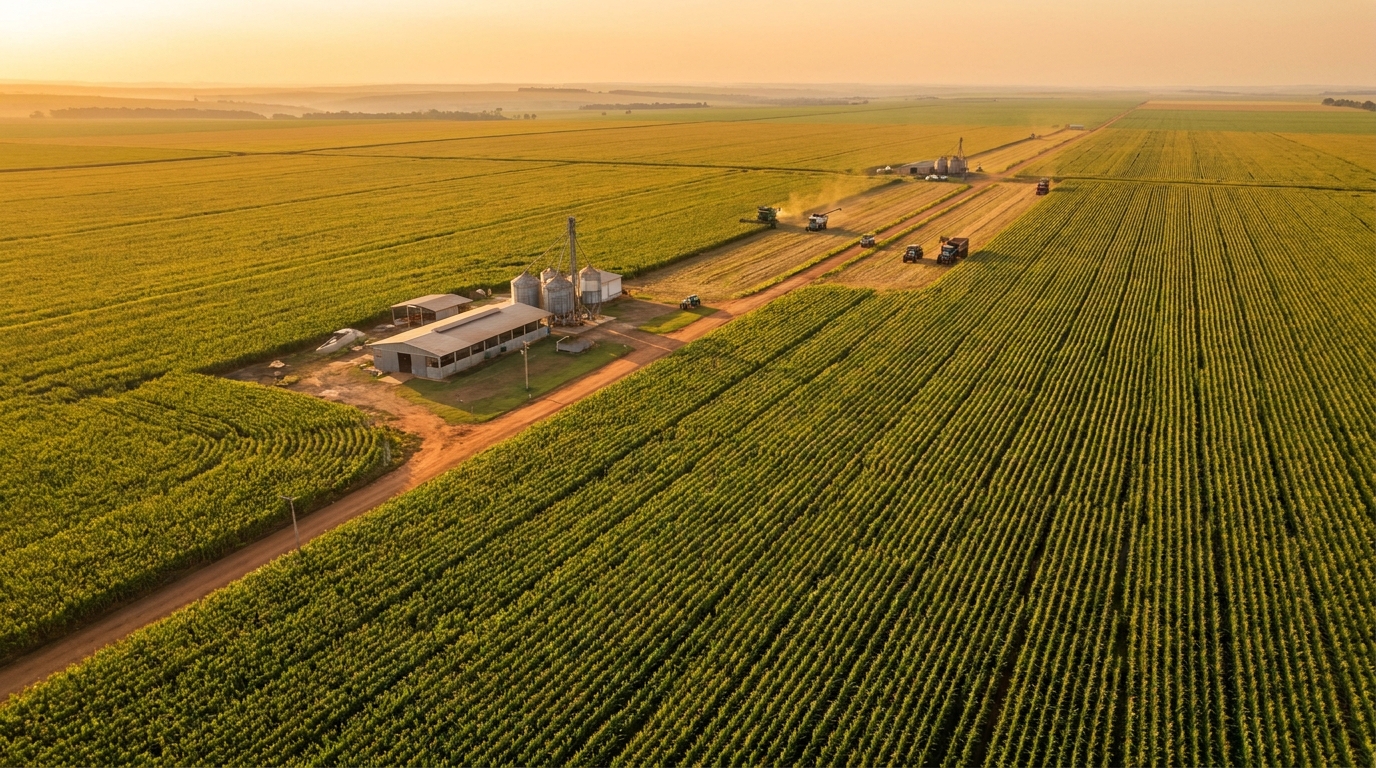
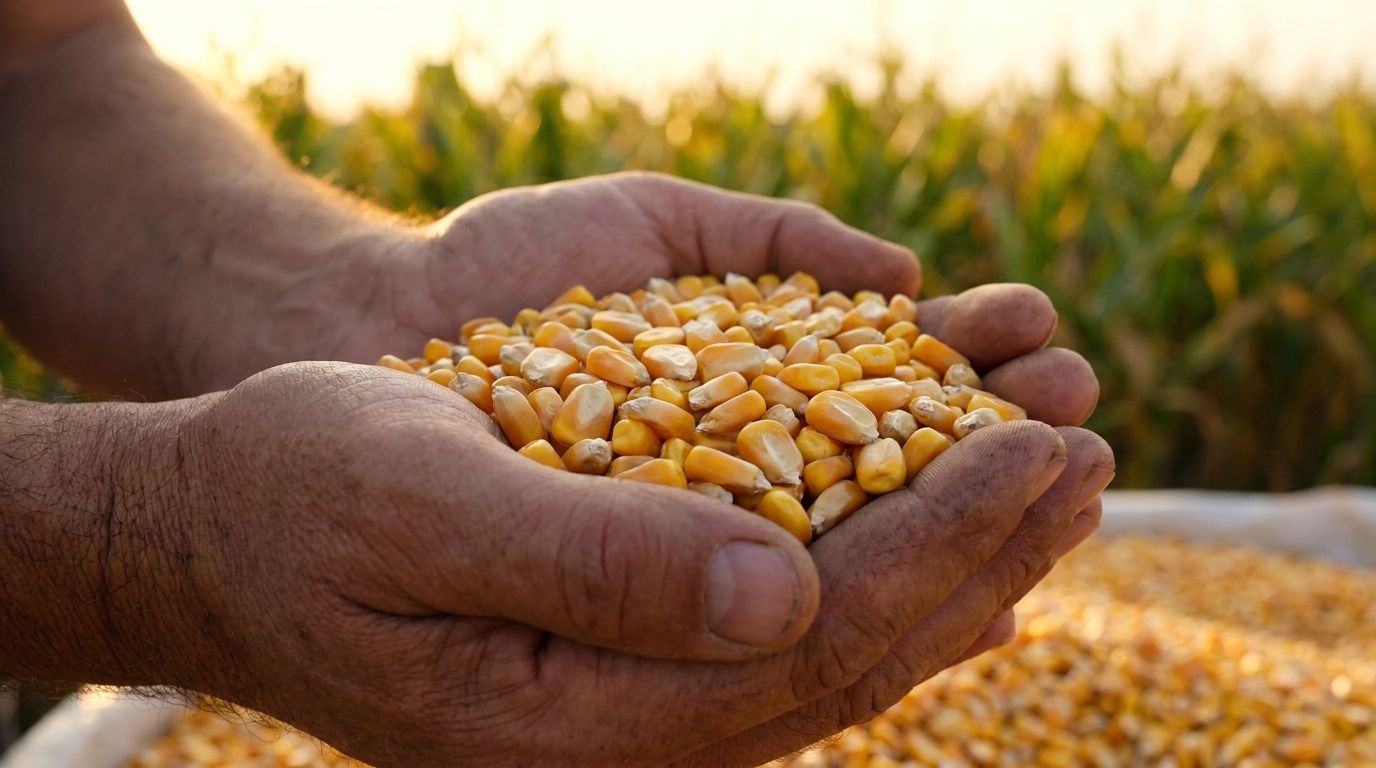
Brazil has firmly established itself as a pivotal player in the global agricultural commodities market, particularly for maize, offering a compelling combination of high productivity, expanding production capacity, and strategic importance for international supply chains. The country's market share for maize is projected to increase at the expense of traditional leaders like the United States, positioning Brazil as a critical source for global demand. This growing influence is underpinned by significant advancements in agronomic practices and an efficient agricultural system centered on the widespread adoption of the soybean-maize succession model, which demonstrates high profitability and effective land use. In the 2020–2021 crop year, Brazil's corn production reached 106.5 million tons, distributed across its first and second harvests, highlighting the scale of its output. More recent data indicates continued progress, with some reports suggesting outcomes approaching 11.8 tonnes per hectare, a figure comparable to leading U.S. yields and indicative of rapid improvements in farming technology and practices.
For international importers, this expansion translates directly into enhanced supply chain reliability and a valuable alternative to sourcing from other regions. The normalization of price discovery mechanisms between spot and futures markets in Brazil provides a degree of predictability essential for long-term procurement planning. Furthermore, the release of official crop reports by Brazil's national agriculture data agency, CONAB (Companhia Nacional de Abastecimento), has a direct and measurable impact on global corn futures prices, underscoring the market's significance in shaping international trade dynamics. This transparency helps importers anticipate supply fluctuations and manage risk more effectively. Brazil's normalized revealed comparative advantage in corn exports confirms its strong competitiveness on the world stage, making it an economically rational choice for buyers seeking cost-effective and reliable supplies. While global commodity markets remain subject to volatility driven by factors such as weather variability and geopolitical disruptions, Brazil's robust and growing production capacity offers a crucial diversification strategy for importers looking to mitigate risks associated with over-reliance on any single origin.
Key Market Indicator | Data / Finding | Source(s) |
|---|
Market Share Trend | Increasing market share for Brazil, Argentina, and Russia; declining share for the United States. | 24 |
Production Volume (2020-21) | 106.5 million tons (first and second harvest combined). | 38 |
Yield Comparison | Average safrinha yield in Mato Grosso (2020): 6.39 t/ha; advanced hybrids show higher potential. | 90 |
Price Discovery Mechanism | Normalized linkages between daily corn futures and spot prices. | 30 |
Impact of Crop Reports | CONAB crop reports have a measurable impact on global corn futures prices. | 85 |
Comparative Advantage | Brazil holds a normalized revealed comparative advantage in corn exports. | 114 |
The table below illustrates Brazil's rising prominence in the global maize export landscape, reflecting a structural shift in the world's agricultural map. This trend is further detailed in OECD-FAO Agricultural Outlook reports, which consistently project increased Brazilian production and export volumes through the coming decade. This sustained growth, driven by technological innovation and favorable agro-ecological conditions in key producing states like Mato Grosso, makes Brazilian maize an increasingly central component of global food security and trade stability. The country's ability to produce large volumes efficiently not only meets the demands of a growing world population but also provides a resilient backbone for the global food supply chain, making it an indispensable partner for international importers.
Nutritional Profile and Biofortification Potential for Human Consumption
Brazilian maize presents a versatile and nutritious foundation for a wide array of food products, while simultaneously serving as a canvas for innovative biofortification programs aimed at addressing global malnutrition. Its fundamental composition makes it a dense energy source, primarily composed of carbohydrates, with starch being the dominant fraction, alongside moderate levels of protein and low fat concentrated in the germ. Per 100 grams, standard maize typically contains approximately 4% protein, 30g of carbohydrates, 3.5g of dietary fiber, and 1.5g of fat. This nutritional baseline is highly valuable for food manufacturers seeking to create calorie-dense ingredients for processed foods, snacks, and beverages. The kernel also contains macronutrients and micronutrients, along with various phytochemicals, contributing to its overall nutritional potential.
Beyond its basic composition, the functional properties of maize starch offer significant opportunities for product innovation. The ratio of amylose to amylopectin, which constitutes 25-30% and 70-75% of the starch respectively in common maize, critically influences the pasting characteristics, gel strength, and viscosity of the final product. These properties are essential for food technologists developing products with specific textures, stabilities, and shelf-lives. For instance, high-amylose corn flour varieties, which contain more resistant starch, have been shown to produce lower glucose and insulin responses in consumers, a feature highly attractive for formulating functional foods targeted at managing blood sugar levels. Research into the variation of starch components like resistant starch, total starch, and amylose across different maize varieties provides food manufacturers with the tools to tailor their ingredient selection to achieve precise nutritional and sensory outcomes.
Perhaps the most powerful aspect of Brazilian maize for the human consumption market is its immense potential for biofortification, a strategy actively pursued by Brazilian research institutions like Embrapa. This approach aims to enhance the micronutrient content of maize through conventional breeding, creating a sustainable solution to combat widespread deficiencies. One major focus is the enrichment of provitamin A carotenoids, which could be key in addressing vitamin A deficiency in populations where maize is a dietary staple. Conventional breeding techniques have proven largely successful in increasing these beneficial compounds, offering a non-genetically modified pathway to improved nutrition. Another critical area is the development of Quality Protein Maize (QPM), which has significantly higher levels of the essential amino acids lysine and tryptophan compared to normal maize. QPM varieties offer superior nutritional value and are cultivated using methods essentially interchangeable with those for normal maize, making them a practical and impactful upgrade for improving the protein quality of diets in developing regions. Efforts are also underway to breed maize with enhanced levels of zinc and iron, two other micronutrients often lacking in staple-based diets. These biofortified varieties represent a unique selling proposition for health-conscious brands and public health initiatives, transforming maize from a simple carbohydrate source into a tool for nutritional transformation.
Role in Animal Nutrition and Feed Efficiency
In the realm of animal production, Brazilian maize serves as a cornerstone ingredient, prized primarily for its high energy density and role as a principal source of metabolizable energy in swine and poultry diets. The grain's composition, with starch constituting approximately 70% of its dry matter, makes it exceptionally effective for converting feed into animal growth and productive output. For livestock producers, the energetic value derived from maize is a critical determinant of feed conversion ratios and overall profitability. Studies have demonstrated that the processing conditions of maize, such as particle size, significantly affect its energetic value and digestibility for animals like pigs, highlighting the importance of proper feed formulation. Consequently, the quality and consistency of the maize supplied by Brazil are paramount for ensuring predictable and optimal animal performance.
However, the nutritional value of maize for livestock is not uniform and can be influenced by several factors, presenting both a challenge and an opportunity for differentiation. The genetic background of the maize variety, environmental conditions during cultivation such as drought stress, and the physical structure of the feed pellets all play crucial roles in determining nutrient digestibility and overall feed efficiency. While maize excels as an energy provider, its protein quality is considered poor due to low levels of the essential amino acid lysine. Therefore, it must be complemented with protein-rich supplements, most commonly soybean meal, to formulate a nutritionally balanced diet for monogastric species like pigs and poultry. The true nutritional value of a feed protein depends on its amino acid composition and digestibility, making the synergy between maize and other ingredients vital for maximizing animal growth and health. Statistical models are used to determine the optimal concentration of metabolizable energy in diets for broiler chickens, underscoring the scientific approach required to leverage maize effectively in modern animal husbandry.
This complex interplay of factors means that the quality of Brazilian maize can vary, and for livestock producers, consistency is key. High-quality Brazilian maize should be characterized by a high concentration of digestible and metabolizable energy, coupled with good digestibility of nutrients. By providing a consistent and reliable source of premium-quality maize, Brazilian suppliers enable livestock producers to optimize their rations, improve feed efficiency, and ultimately enhance their operational margins. The success of Brazil's agricultural sector, particularly in states like Mato Grosso, is closely tied to the profitability of this integrated soybean-corn system, reinforcing the commitment to maintaining high standards in maize production for the animal feed market. For importers and feed manufacturers, partnering with Brazilian suppliers means gaining access to a major global source of maize that is integral to efficient and scalable livestock production systems worldwide.
Sustainability Credentials and Environmental Impact
In contemporary global markets, particularly within Europe and North America, the environmental footprint of agricultural commodities has become a central consideration for purchasing decisions. Brazil’s proactive and demonstrable commitment to sustainable agriculture provides a significant competitive advantage, allowing its maize to be marketed as an environmentally responsible choice. The country's flagship policy in this domain is the ABC Plan (Plan ABC), or Low-Carbon Agriculture Program, which was designed to promote the adoption of sustainable practices on degraded pastures. The successful implementation of this plan has been instrumental in shifting parts of Brazil's agricultural sector from being net emitters of greenhouse gases (GHGs) to carbon sinks, showcasing a tangible model for climate-smart agriculture. This government-led initiative provides a robust framework and verifiable proof of Brazil's dedication to mitigating its environmental impact.
One of the most powerful narratives supporting Brazil's sustainability claim is the dramatic reduction in deforestation rates observed over the past two decades. Between 2004 and 2014, Brazil achieved an 82 percent decrease in annual deforestation, a remarkable feat that has fundamentally altered the perception of its agricultural frontier. This achievement is critical for navigating stringent new regulatory landscapes, such as the European Union's Deforestation-Free Regulation (EUDR), which aims to halt the importation of products linked to deforestation. Brazil's success in reducing forest loss provides a strong counter-narrative to historical concerns about its agricultural expansion driving environmental degradation. This progress is part of a broader effort to address climate change, with Brazil submitting multiple National Communications to the UNFCCC detailing its GHG emissions profile and mitigation strategies. Policies that contributed to reductions in emissions have been certified using rigorous standards, adding credibility to these claims.
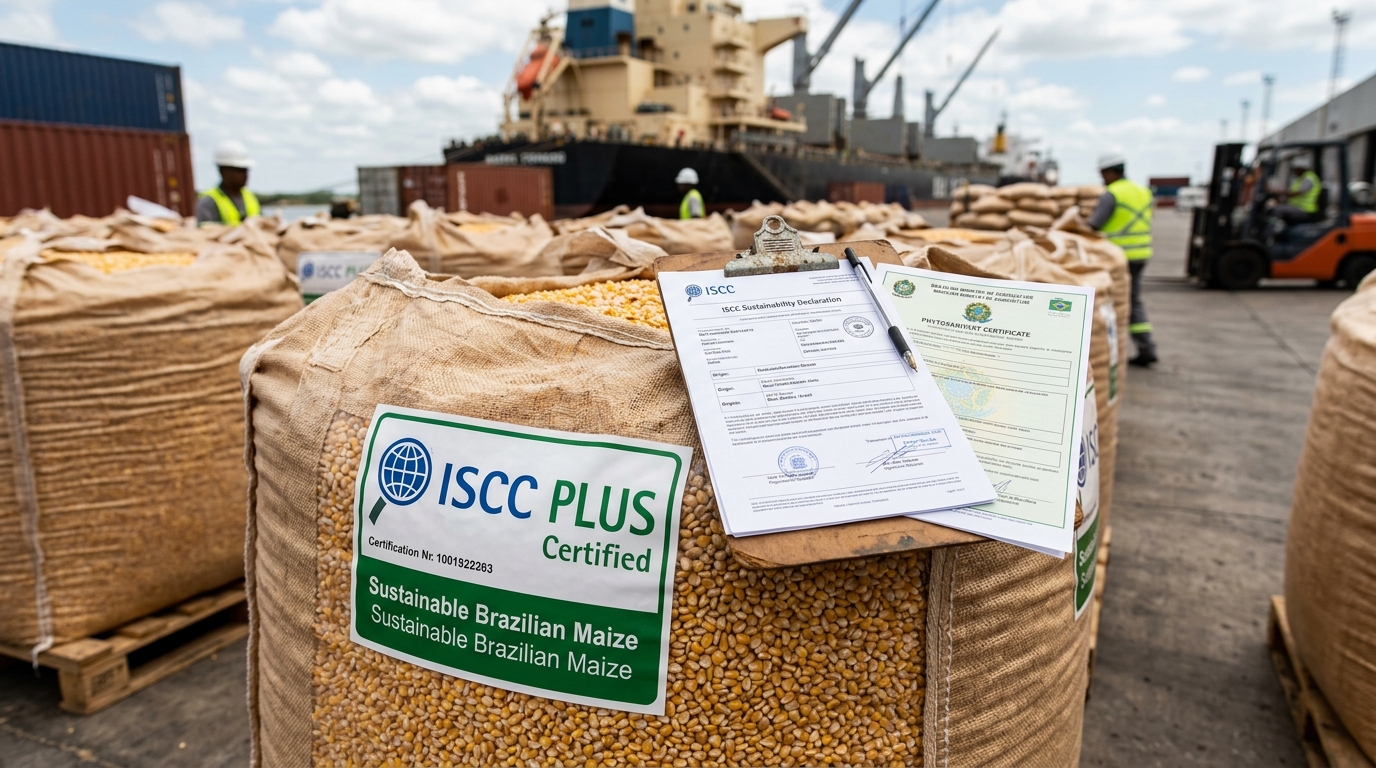
To translate these commitments into verifiable assets for international buyers, Brazilian producers and exporters can leverage third-party certification schemes. The International Sustainability & Carbon Certification (ISCC) system is a key example, recognized by the EU and conforming to the requirements of its Renewable Energy Directive. ISCC certification provides a traceable guarantee that biomass, including maize, has been produced sustainably. This certification is not limited to biofuels but extends to other products, offering a pathway to verify compliance with evolving regulations and meet the sustainability expectations of discerning customers. By aligning with these global standards, Brazil positions its maize not just as a high-quality agricultural commodity, but as a responsibly sourced ingredient that supports corporate sustainability goals and contributes to a greener future. This alignment with international standards on GHG emissions and deforestation-free supply chains is becoming an essential component of a competitive marketing strategy.
Quality Assurance and Risk Management: The Mycotoxin Challenge
While Brazilian maize offers significant advantages in terms of quality, quantity, and sustainability, the management of food and feed safety risks is paramount for building trust with international partners. The most pressing concern in maize production globally is contamination by mycotoxins, toxic fungal metabolites that pose serious health risks to humans and animals and carry substantial economic consequences. Maize is particularly susceptible to contamination by potent carcinogens like aflatoxins and fumonisins, which can develop pre-harvest or during storage if grains are not properly managed. The presence of these toxins can lead to severe health effects, including liver cancer, immune suppression, and growth faltering in children, making their control a critical public health issue. Studies have documented the occurrence of mycotoxins in corn-based food products commercially sold in Brazil, confirming that this is a relevant local and international challenge.
Addressing this challenge requires a multi-faceted approach focused on prevention, monitoring, and adherence to strict regulatory limits. Proactive measures include implementing best practices for crop management and storage to minimize conditions favorable for fungal growth. Advanced detection technologies, such as liquid chromatography and rapid screening techniques, are essential for accurately assessing toxin levels in raw materials and finished products. Adherence to maximum residue limits set by international bodies like the World Health Organization (WHO) and the Food and Agriculture Organization (FAO) is non-negotiable. For example, regulations specify maximum levels for fumonisins in raw maize grain (4000 μg kg−1) and maize flour (2000 μg kg−1), and even lower limits for processed foods and baby foods in regions like the EU. The existence of "masked mycotoxins"—plant metabolites of parent toxins—further complicates analysis and underscores the need for sophisticated testing methodologies.
For Brazilian maize exporters, demonstrating a rigorous and transparent quality assurance framework is essential for market access and customer confidence. Promotional messaging should emphasize the industry's commitment to upholding the highest safety standards throughout the entire supply chain, from farm to port. This involves investing in research to understand the genetic and environmental factors influencing toxin accumulation, which can inform the development of more resistant maize varieties. It also means working closely with laboratories to conduct regular testing and ensure that every consignment complies with the specific legal requirements of the importing country. By proactively addressing the mycotoxin challenge and providing clear, verifiable evidence of a robust safety management system, Brazilian producers can effectively mitigate this key risk factor and solidify their reputation as a trusted supplier of safe, high-quality maize for both human consumption and animal feed.
Strategic Synthesis for International Market Engagement
The collective evidence paints a clear picture of Brazilian maize as a high-value, dual-use commodity distinguished by its combination of agronomic excellence, nutritional versatility, and a rapidly maturing sustainability profile. To effectively engage international importers, food manufacturers, and livestock producers, a promotional message should be built upon four core strategic pillars: reliability, quality, responsibility, and partnership. This synthesis translates the detailed findings into actionable marketing propositions tailored to each audience's primary concerns.
For international importers, the primary message is one of reliability and strategic advantage. Brazilian maize represents a dependable and growing source of supply that can help diversify procurement away from traditional origins, thereby enhancing supply chain resilience against regional shocks. The transparency provided by CONAB crop reports and the normalization of futures markets offer a level of predictability crucial for long-term planning. Partnering with Brazil is not merely a transactional decision; it is a strategic move to secure a stable and competitively priced flow of a critical agricultural commodity in a volatile global market.
For food manufacturers, the focus shifts to quality and innovation. Brazilian maize is presented as a versatile and adaptable base ingredient, with a well-defined nutritional profile that serves as an excellent platform for a multitude of processed foods. The most compelling proposition here is its potential for biofortification. Through partnerships with Brazilian research institutions, manufacturers can access unique maize varieties enriched with provitamin A, high-quality protein (QPM), and essential micronutrients like zinc and iron. This allows brands to tap into the powerful consumer trend towards functional foods and contribute to solutions for global malnutrition, creating a strong brand narrative around health and social impact.
For livestock producers, the value proposition centers on performance and efficiency. Brazilian maize is positioned as the premier energy source for modern, intensive animal production systems, directly contributing to better feed conversion ratios and optimized growth rates. The message emphasizes the importance of working with suppliers who provide consistent quality, ensuring that the metabolizable energy and digestibility of the feed are maximized. By selecting Brazilian maize, livestock producers invest in a foundational ingredient that drives the efficiency and profitability of their operations.
Finally, across all audiences, the message of responsibility is a powerful differentiator. Brazil's leadership in climate action, exemplified by the ABC Plan and its success in dramatically reducing deforestation, provides a credible and compelling narrative of environmental stewardship. This is reinforced by the availability of third-party certifications like ISCC, which offer verifiable proof of sustainability and ensure compliance with emerging regulations like the EU's EUDR. Choosing Brazilian maize is therefore not just about securing a high-quality product, but also about aligning with a supply chain that is committed to environmental protection and responsible governance. By weaving these interconnected themes into a cohesive story, Brazilian maize can be effectively promoted as a superior choice for discerning global markets.
For all inquiries on Brazilian maize, please contact our Strategic Partner for South America Ms. Maria Bergara WhatsApp +54 9 11 4050-3800 email: mariabernew@adalidda.com
Bibliography
Government and Industry Reports
ABC Plan - Food and Agriculture Organization. Brasil. Ministério da Agricultura e Pecuária. (n.d.). ABC Plan: ten years of success and a brand new sustainable agriculture production. 95
FAO Knowledge Repository. (n.d.). Food Outlook - Biannual Report on Global Food Markets. 124
FAO Knowledge Repository. (n.d.). Food Outlook - June 2023. 41
Fourth National Communication of Brazil to the UNFCCC. (n.d.). Brazil's net emissions by GHG. 162
First Biennial Transparency Report of Brazil - UNFCCC. (n.d.). FIGURE 2.3 | BRAZIL'S NET EMISSIONS BY GHG, IN KT CO2 EQ. 162
OECD-FAO Agricultural Outlook 2016-2025. (n.d.). OECD-FAO Agricultural Outlook. 135
OECD-FAO Agricultural Outlook 2017-2026. (n.d.). OECD-FAO Agricultural Outlook. 115,131
OECD-FAO Agricultural Outlook 2018-2027. (n.d.). OECD-FAO Agricultural Outlook. 24
OECD-FAO Agricultural Outlook 2019-2028. (n.d.). OECD-FAO Agricultural Outlook. 133
OECD-FAO Agricultural Outlook 2020-2029. (n.d.). OECD-FAO Agricultural Outlook. 134
OECD-FAO Agricultural Outlook 2021-2030. (n.d.). OECD-FAO Agricultural Outlook. 13
OECD-FAO Agricultural Outlook 2022-2031. (n.d.). OECD-FAO Agricultural Outlook. 132
OECD-FAO Agricultural Outlook 2023-2032. (n.d.). OECD-FAO Agricultural Outlook. 68,116,152
OECD-FAO Agricultural Outlook 2025-2034. (n.d.). OECD-FAO Agricultural Outlook. 100
USDA FAS. (n.d.). 2024 United States Agricultural Export Yearbook. 25
Scientific and Academic Publications
Alves, C. H. S., et al. (n.d.). Quality protein maize: nutritional and bioactive composition. 111
Andrade, R. N., et al. (n.d.). Evaluation of adaptability and stability for iron, zinc and protein contents. 64
Barros, M. D., et al. (n.d.). Chemical Profile and Mycotoxin Analyses of Corn (Argentina, Brazil ...). 69,99
Bento, J. L. O., et al. (n.d.). Effect of variety and malting conditions on proteolytic activity, free... 129
Brito, G. A., et al. (n.d.). Biofertilization with AFERT as an Alternative to Mineral Fertilization. 59
Carvalho, T. V., et al. (n.d.). Variability and limitations of maize production in Brazil. 17
Chaves, L. R., et al. (n.d.). Comparison of chemical composition, functional properties and... 138
Cruz, R. M., et al. (n.d.). Nutritional composition patterns and application of multivariate... 27
Dantas, L. A., et al. (n.d.). Genetic Analysis of Zinc, Iron and Provitamin A Content in Tropical... 157
Dias, M. C., et al. (n.d.). Assessment of aflatoxin exposure, growth faltering and the gut... 78
Dourado-Neto, D., et al. (n.d.). Nutritional Perspectives of Quality Protein Maize - Embrapa. 92
Dutra, K. S., et al. (n.d.). A Three-Year Study on the Nutritional Composition and Occurrence... 97
Ferreira, F. S., et al. (n.d.). An investigation of the price discovery role of futures markets: A... 30
Gomes, J. F., et al. (n.d.). Micronutrient and functional compounds biofortification of maize grains. 19
Guimarães, D. A., et al. (n.d.). Effects of Different Processing Methods on the Micronutrient and... 52
Lima, F. D. A., et al. (n.d.). Soybean-maize succession in Brazil: Impacts of sowing dates on... 18,107
Liu, Y., et al. (n.d.). Molecular Breeding for Nutritionally Enriched Maize - PMC - NIH. 21
Magalhães, A. R., et al. (n.d.). Comparative Analysis of Maize Physico-Chemical Parameters and... 126
Marques, C. R., et al. (n.d.). The reaction of corn futures prices to u.s. and brazilian crop reports. 85
Mendes, A. C., et al. (n.d.). Quality protein maize: nutritional and bioactive composition. 111
Mota, L. G. S., et al. (n.d.). Implications of corn and soybean meal quality on swine production. 46
Oliveira, C. A. S., et al. (n.d.). The nutritional, phytochemical composition, and utilisation of... 70
Pereira, A. M. S., et al. (n.d.). Spatio-temporal monitoring of soil and plant indicators under forage... 109
Santos, J. P. B., et al. (n.d.). Nutritional composition of Zea mays L: A comprehensive Review of... 110,155
Silva, E. A., et al. (n.d.). Use of statistical models to determine the optimal concentration of... 47
Souza, W. B., et al. (n.d.). Inverting the carbon footprint in Brazilian agriculture: an estimate of... 140
Teixeira, A. A., et al. (n.d.). Provitamin-A maize (PVA) with increased carotenoid content obtained through conventional breeding techniques has been largely successful in sub-Saharan Africa. 44
Veloso, D. C. L., et al. (n.d.). Drought shocks and agricultural vulnerability in the Brazilian Semi-Arid. 60
Wang, X., et al. (n.d.). Nonlinear heat effects on African maize as evidenced by historical... 122
International Organizations and Financial Institutions
International Monetary Fund. (n.d.). World Economic Outlook, September 2006: Financial Systems and... 137
OECD. (n.d.). Agricultural Policy Monitoring and Evaluation 2025. 68
Organisation for Economic Co-operation and Development. (n.d.). Challenges for Agricultural Research. 147
UNCTAD. (n.d.). Technology and Innovation Report 2023. 142
UNCTAD. (n.d.). Trade and Environment Database. 167
The World Bank. (n.d.). Brazil Low-carbon Country Case Study. 62
The World Bank. (n.d.). Brazil SyStematic country DiagnoStic - upDate. 151
The World Bank. (n.d.). Global Economic Prospects -- June 2025. 101
World Bank Documents & Reports. (n.d.). Transfer learning for improved crop yield predictions in a cross-scale... 58
World Bank Documents & Reports. (n.d.). Smallholders - Documents & Reports - World Bank. 57
World Bank Open Knowledge Repository. (n.d.). English Text (1.06 MB). 166
World Bank Open Knowledge Repository. (n.d.). Further price declines expected in 1999. 136
World Resources Institute. (n.d.). Reservoir Eutrophication: Preventive Management: An applied... 11
World Resources Institute. (n.d.). Global water stress mitigation achieved through international crop... 148
World Resources Institute. (n.d.). Oil Palm, Soybean, Rapeseed, and Sunflower - MDPI. 149
World Resources Institute. (n.d.). Climate Smart Brachiaria Grasses for Improving Livestock Production in East Africa – Kenya Experience. 121
Deko Integrated and Agro Processing Limited
3rd and 4th Floors, Idubor House
52 Mission Road
300002 Benin City
Edo State
Nigeria
Phone/WhatsApp: + 2349040848867 (Nigeria) +85510333220 (Cambodia)
Email: sales@dekoholding.com
Website: https://dekoholding.com
Social media
LinkedIn https://www.linkedin.com/company/83495920
YouTube https://www.youtube.com/@DekoGroup
Deko Integrated and Agro Processing Limited is an agricultural firm and exporter of agricultural commodities in Nigeria. We are part of Deko Group, a global network of companies that seeks to transform the agricultural and food sectors in Nigeria and the ECOWAS countries through disruptive technologies and innovations.
We are passionate about creating value for our customers, partners, and stakeholders, as well as making a positive impact on the local communities and the environment. We are committed to delivering excellence in everything we do, from growing high-quality crops to processing them into value-added products.